

Does Radiofrequency Echographic Multi-Spectrometry (REMS) perform similarly to Dual-energy X-ray Absorptiometry (DXA) in terms of Trabecular Bone Score (TBS) and FRAX?
Débora Meira Ramos Amorim, Eliane Naomi Sakane, Sergio Setsuo Maeda, Marise Lazaretti-Castro.
Departamento de Medicina, Divisão de Endocrinologia, Universidade Federal de São Paulo, São Paulo, SP, Brasi
Published: Archives of Endocrinology and Metabolism (Official Journal of the Brazilian Society of Endocrinology and Metabolism)
HIGHLIGHT:
REMS performed similarly to DXA in assessing trabecular integrity using TBS. Additionally, no statistically significant difference was observed in fracture risk assessment by FRAX based on NOGG recommendations.
The recent study “Does Radiofrequency Echographic Multi-Spectrometry (REMS) perform similarly to Dual-energy X-ray Absorptiometry (DXA) in terms of Trabecular Bone Score (TBS) and FRAX? “ published in Archives of Endocrinology and Metabolism, the official journal of the Brazilian Society of Endocrinology and Metabolism, by the Professor Lazzaretti Castro’s research team, evaluated whether bone assessment by REMS was influenced by trabecular bone integrity by comparing it DXA and TBS. Additionally, the study aimed to determine if comparing fracture risk using FRAX and the National Osteoporosis Guideline Group (NOGG) using the T-score from each method would lead to differences in a Brazilian female population, including individuals from diverse ethnic backgrounds and clinical conditions.
The obtained results showed that REMS performed similarly to DXA in assessing trabecular integrity using TBS. Half of the exams classified as normal by DXA but osteopenic by REMS were classified as partially degraded or degraded by TBS, suggesting that REMS might be more assertive in identifying bone microarchitecture.”The particular importance of this study lies in showing the similarities between REMS and DXA and in identifying the discordant cases where REMS may have detected the impaired bone quality shown by TBS” the researchers stated.
Additionally, the FRAX risk probabilities calculated using REMS or DXA did not show statistical differences, which may be of interest for clinical practice. The intervention thresholds for osteoporosis treatment defined by the FRAX-NOGG strategy using the femoral neck T-score obtained by REMS were not different from those obtained using the DXA femoral neck T-score. Previously, the authors have reported the high accuracy of REMS for diagnosing DXA-defined osteoporosis in this same sample of women. These findings suggest that REMS performs similarly to DXA and may become a surrogate method for diagnosing osteoporosis and fracture risk stratification using FRAX.
Finally, REMS device is less expensive than a DXA densitometer, but there is still room for price reduction as it becomes more commercialized. In addition, it is portable, meaning it can be transported to different diagnostic centers covering larger geographic regions, increasing the population’s access to the exam and, consequently, to the diagnosis of osteoporosis. It is simpler to perform than DXA and as it does not contain ionizing radiation, there are no restrictions regarding radiological protection or technicians’ exposure.
In conclusion, the obtained results suggest that REMS could offer significant advantages in osteoporosis diagnosis, combining effectiveness and practicality and its ability to detect microarchitectural degradation allows for a more precise assessment of fracture risk.

REMS Performance
The very recent study titled “Proposed practice parameters for the performance of radiofrequency Echographic multispectrometry (REMS) evaluations” and published on the Bone Joint Open by international key Opinion Leaders from USA and UK showed that REMS are becoming a...

HTA Study in USA
“Cost-effectiveness of radiofrequency echographic multi-spectrometry for the diagnosis of osteoporosis in the United States": Jean-Yves Reginster 1, Stuart L. Silverman 2 , Majed Alokail 1, Nasser Al-Daghri 1, Mickael Hiligsmann 3, 1 Bioochemistry Department,...
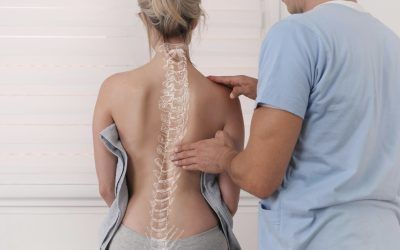
REMS & Motor disability
“Radiofrequency echographic multi-spectrometry-based measurement of bone mineral density in patients with severe motor and intellectual disability: An opportunity for patients with severe scoliosis and hip dislocation." Tomoko Sakai, Masanobu Hirao, Yusuke Takashina,...